


Every organisation talks about building a high performing culture. Everyone says they want to work in one. Somewhere where they feel they are making a difference every day and growing personally. Achieving things that are fulfilling. Doing things that are energising, with significant results being achieved.
We all talk about it, but actually, how do we make it happen?
What is at the root of a high-performing culture?
Is it the quality of the product or service?
Is it the commercial success you’re having?
Is it the industry recognition that you are the “Thought Leaders”?
Of course, all these things matter. They may be better understood as indicators of high performance rather than the drivers.
Drawing on my experience across industries, geography and organisations of all sizes, many factors influence success. But four consistently distinguish those that thrive from those that simply survive.
1. Help Leaders think and act as Leaders
2. Create a compelling purpose
3. Build a high-trust culture
4. Help every individual grow
We all talk about it, but actually, how do we make it happen?
What is at the root of a high-performing culture?
Is it the quality of the product or service?
Is it the commercial success you’re having?
Is it the industry recognition that you are the “Thought Leaders”?
Of course, all these things matter. They may be better understood as indicators of high performance rather than the drivers.
Drawing on my experience across industries, geography and organisations of all sizes, many factors influence success. But four consistently distinguish those that thrive from those that simply survive.
1. Help Leaders think and act as Leaders
2. Create a compelling purpose
3. Build a high-trust culture
4. Help every individual grow

Think and act as leaders
One of the big challenges we face is that Leaders may have the additional title and the authority, but often have not changed their focus from when they were an individual contributor. They were often promoted because they were good at getting things done. They were expected to deliver projects under intense pressure, while also contributing to side-of-desk innovation and ideation committees. As an individual contributor, they were rewarded for this. It was a mark of their capability and value to the organisation.
As a leader, it is not about the ability to deliver those ten projects, though. It is about the ability to inspire and engage 5, 10 or 50 other people to be able to deliver projects, whilst contributing to ideation committees as well. The temptation is for them to focus on their personal contribution rather than on what they need to do to help others deliver.
As a leader, it is not about the ability to deliver those ten projects, though. It is about the ability to inspire and engage 5, 10 or 50 other people to be able to deliver projects, whilst contributing to ideation committees as well. The temptation is for them to focus on their personal contribution rather than on what they need to do to help others deliver.
One of the key practices that I always encourage Leaders to make a habit of, is to take one hour a week to think about the things they “choose” to do rather than things they “have” to do that will have a significant impact.
What conversation they need to have.
What challenges they need to get to the root of.
Relationships they need to build.
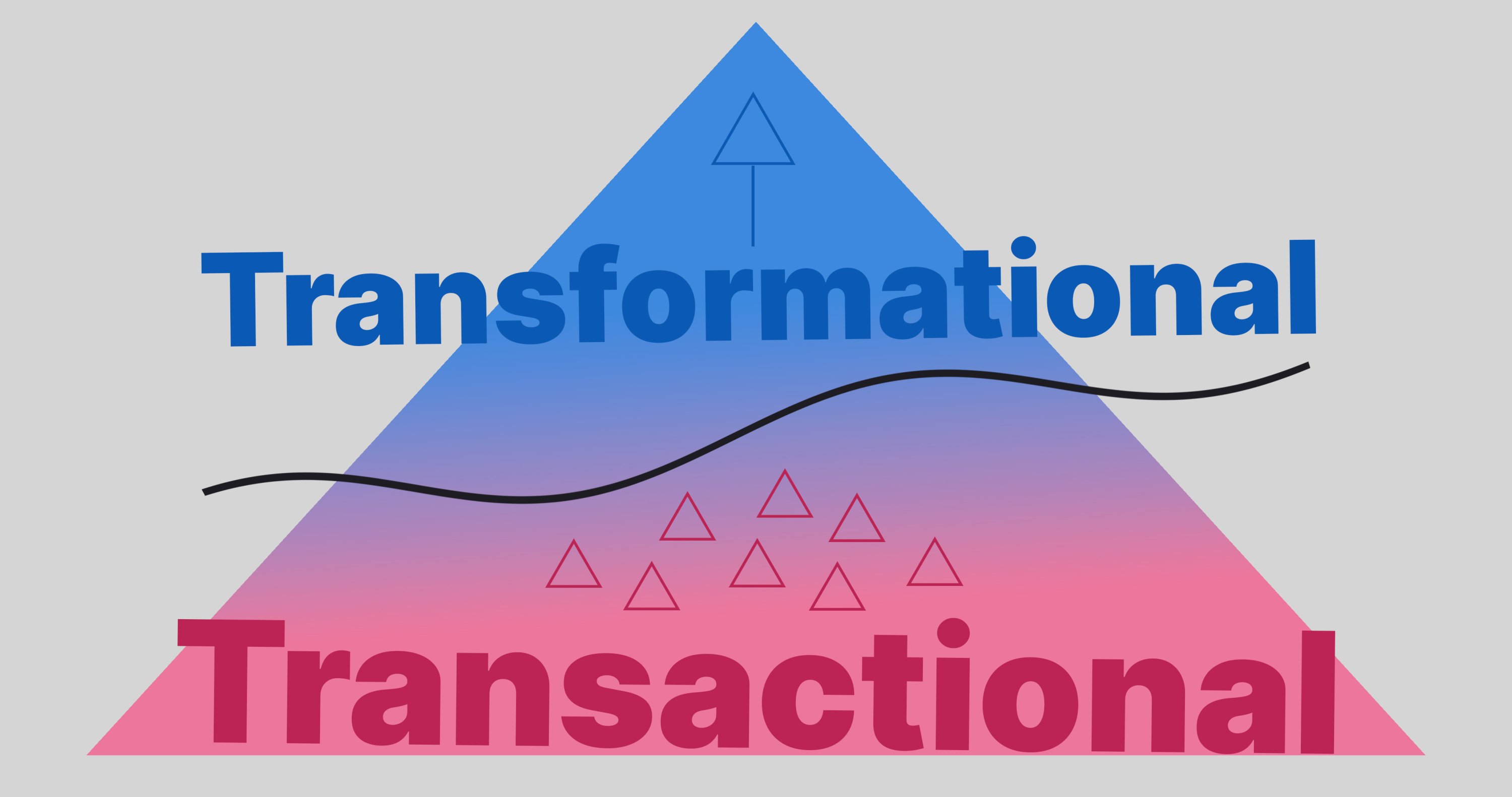
It is easy for a leader to spend all the time on things they “have” to do. But that will not drive high performance. It will result in survival or a degree of performance. That may sustain survival, or a degree of performance, but it rarely leads to real thriving. Thriving is driven by leaders who focus their time and attention on where they can add the greatest value.
What challenges they need to get to the root of.
Relationships they need to build.
It is easy for a leader to spend all the time on things they “have” to do. But that will not drive high performance. It will result in survival or a degree of performance. That may sustain survival, or a degree of performance, but it rarely leads to real thriving. Thriving is driven by leaders who focus their time and attention on where they can add the greatest value.
Create a compelling purpose
We work for money; we work harder for a great leader. But we give everything when we engage with and believe in the cause. Because performance is not just about what people know, it is about how they feel. When people feel connected to something meaningful, something that truly matters, they show up differently. Something that will be of immense value to the community or to our customers or similar cause is essential to drive real high performance. Otherwise, we are driven by the activity of the day without the link to the reason for that activity. It promotes us to think differently and use processes in systems effectively to achieve outcomes rather than just focus on the process at, sometimes, the cost of its’ purpose.
This requires not just understanding the overall purpose of the organization but also to realise what we do that adds value to that purpose. Whether it be that we ask customers great questions so that we can bring the full value of our organization to them. Or maybe that we work in the technology team and we provide access to the great things our company can bring for the Customer. Or possibly we are in the people function and they help find and build capability and careers that are able to meet our customer needs better.
This requires not just understanding the overall purpose of the organization but also to realise what we do that adds value to that purpose. Whether it be that we ask customers great questions so that we can bring the full value of our organization to them. Or maybe that we work in the technology team and we provide access to the great things our company can bring for the Customer. Or possibly we are in the people function and they help find and build capability and careers that are able to meet our customer needs better.
Having a purpose provides focus and energy and then trust optimizes the capabilities that everyone brings to the table.
Build a high-trust culture
When there is low trust, there is less creativity and innovation because people are afraid to express their ideas and thoughts, either because they will be rejected or others will take credit for. Pace is slower because we are spending more time second-guessing what is on other people’s agendas, or we do just the minimum to protect ourselves, rather than going beyond and being generous with our support of others. Subsequently, performance is affected and by no means optimal, let alone high.
We have been able to address this and expedite the pace at which trust is built. Building a culture of real authenticity, capability and care for each other. Enabling the business to really leverage the benefit of not just the individual capabilities but also the collective value discovered as they truly give their all with openness and abundance moving from a “me” to “we” mentality.
We have been able to address this and expedite the pace at which trust is built. Building a culture of real authenticity, capability and care for each other. Enabling the business to really leverage the benefit of not just the individual capabilities but also the collective value discovered as they truly give their all with openness and abundance moving from a “me” to “we” mentality.

Help every individual grow
The fourth factor we have found to have the greatest impact on a high-performing culture is the growth and performance of individuals. Organisations perform best when their people are developing, improving, and becoming the best version of themselves. As individuals grow, teams become stronger. As teams become stronger, organisational performance improves.
Linking back to point 1, this means that leaders need to spend focused time on helping the people in their team grow. The quality of the conversations they have can have an impact on a person’s performance, not just on that given day, week, month or even year. It could impact their career and subsequently the quality of their lives and those around them. Our conversations can change lives.
The ability to have 2 very specific types of conversations each month is critical. The first is focused on inputs and outputs - Its performance, and the activities the team members are involved in delivering the outcomes required. If not, how do we adjust them? This needs to be a “lovingly blunt” conversation. I care enough to help you challenge yourself and your focus to ensure you will achieve success. The second conversation, usually longer (which has an underlying message in itself) is “How can I help you?” It’s a coaching conversation driven by the needs of the team members. It may be because of the conversation on performance, but it could also be time to share a new idea for feedback or help with a particular stakeholder challenge.
It is important not to combine these 2 conversations because the overarching message then becomes its about what performance we want from you, rather than I want to be there for you to help you.
So, what does it mean in practice?
If high performance is built on simple, fundamental principles, then the real question is whether we are actively focusing on them. Nothing here is complex. Nothing here requires anything but intention, consistency, and leadership focus. So here is the challenge:
Linking back to point 1, this means that leaders need to spend focused time on helping the people in their team grow. The quality of the conversations they have can have an impact on a person’s performance, not just on that given day, week, month or even year. It could impact their career and subsequently the quality of their lives and those around them. Our conversations can change lives.
The ability to have 2 very specific types of conversations each month is critical. The first is focused on inputs and outputs - Its performance, and the activities the team members are involved in delivering the outcomes required. If not, how do we adjust them? This needs to be a “lovingly blunt” conversation. I care enough to help you challenge yourself and your focus to ensure you will achieve success. The second conversation, usually longer (which has an underlying message in itself) is “How can I help you?” It’s a coaching conversation driven by the needs of the team members. It may be because of the conversation on performance, but it could also be time to share a new idea for feedback or help with a particular stakeholder challenge.
It is important not to combine these 2 conversations because the overarching message then becomes its about what performance we want from you, rather than I want to be there for you to help you.
So, what does it mean in practice?
If high performance is built on simple, fundamental principles, then the real question is whether we are actively focusing on them. Nothing here is complex. Nothing here requires anything but intention, consistency, and leadership focus. So here is the challenge:
“What are you focusing on right now to drive high performance in your organisation, and is it truly moving the needle?”
You can read more about high performing culture here .