

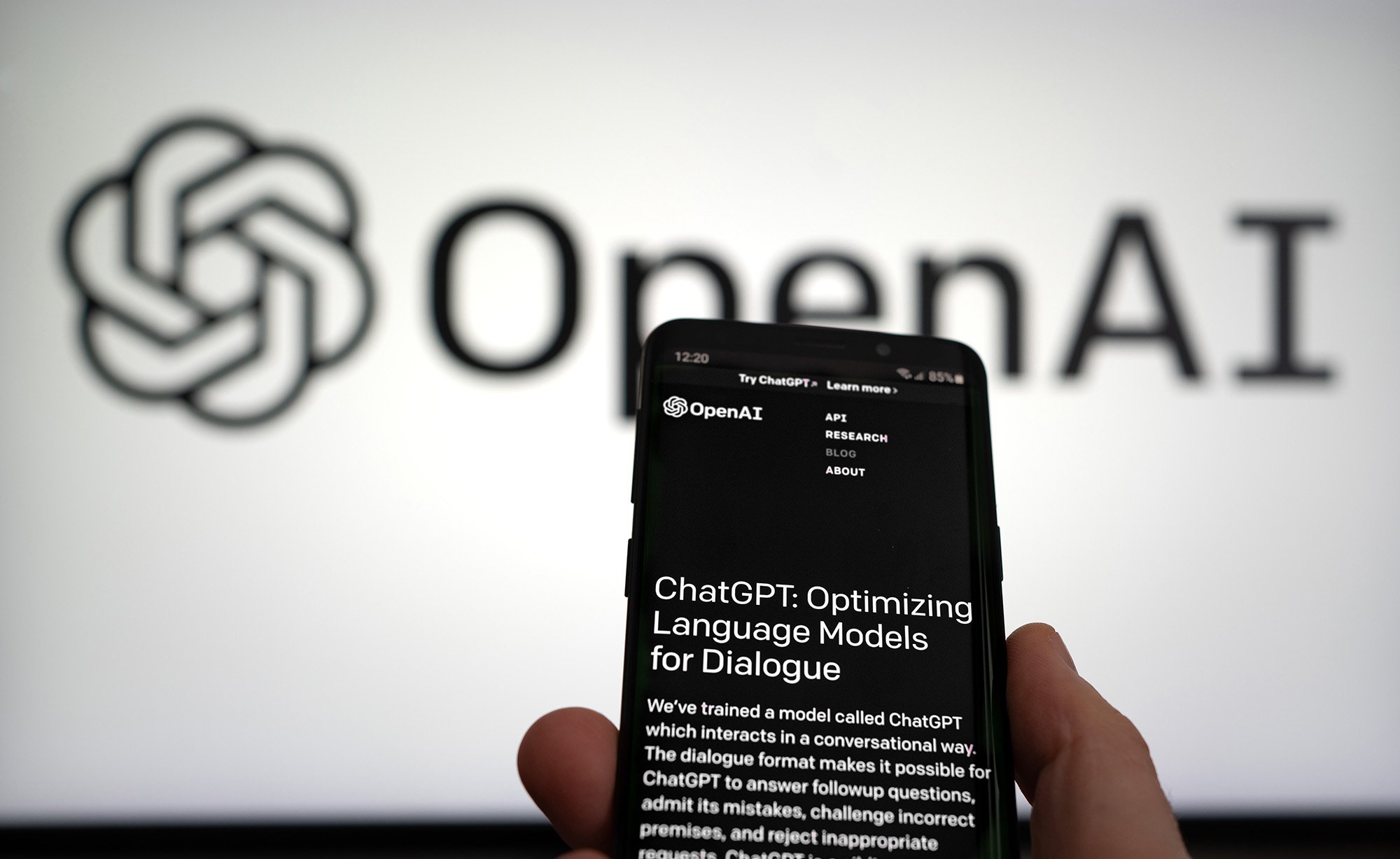
The rise of AI is impossible to ignore. Indeed, current media hype around it would suggest that AI was in the process of taking over the world, and most of our jobs.
However, evidence shows that AI is simply not being successfully integrated by most businesses, especially at enterprise level. A recent white paper, The GenAI Divide State of AI in Business 2025, revealed that, despite $30–40 billion in enterprise investment into GenAI, 95% of organizations are getting zero return.
Why, despite such significant investment and fervent belief in AI, are most businesses not able to make it work for them?
However, evidence shows that AI is simply not being successfully integrated by most businesses, especially at enterprise level. A recent white paper, The GenAI Divide State of AI in Business 2025, revealed that, despite $30–40 billion in enterprise investment into GenAI, 95% of organizations are getting zero return.
Why, despite such significant investment and fervent belief in AI, are most businesses not able to make it work for them?
AI confidence vs. AI capability
One reason that AI integration is failing at enterprise level is because many business leaders do not understand it. Believing it to be a distinct, ‘tech’ thing, best placed for IT experts, they outsource it accordingly.
This means that business leaders are not engaging with AI in a way that utilises their important skillset. It also means almost no one else in the organisation is being consulted about how it could support their role.
This means that business leaders are not engaging with AI in a way that utilises their important skillset. It also means almost no one else in the organisation is being consulted about how it could support their role.
For AI to be successfully integrated, leaders need to first develop their own confidence in it.
This will not come from instructing the IT department to build or buy in AI capability. Instead, those at the top of the organisation need to engage directly with it, approaching the opportunity strategically and with their valuable organisational overview and business insight.
Interestingly, the same white paper highlights a significant ‘shadow AI economy’ – where individual employees use consumer AI LLMs, such as ChatGPT, usually without IT knowledge or approval. Workers from over 90% of the companies surveyed reported regular use of personal use of AI.
Interestingly, the same white paper highlights a significant ‘shadow AI economy’ – where individual employees use consumer AI LLMs, such as ChatGPT, usually without IT knowledge or approval. Workers from over 90% of the companies surveyed reported regular use of personal use of AI.
Clearly, people are independently identifying how AI can help them become more efficient in their roles. But this approach lacks strategy and creates risk when individuals are not aware of issues such as how much potentially confidential information they are including when prompting.
A strategic approach, led by the top, will take advantage of AI’s efficiencies and minimise the risks.
A strategic approach, led by the top, will take advantage of AI’s efficiencies and minimise the risks.

Start with the problem, not the solution
Another reason AI integration is failing is because businesses are starting with the solution – i.e. the AI product – rather than focusing on the problem.
Because it is understood as a ‘tech’ thing, businesses are trialling pre-designed tech solutions that may not be at all relevant to the problem they actually need to solve.
Before engaging with products, businesses need to first view AI integration from a workflow perspective. And this means that people who do the job day-to-day are probably better placed to support with AI integration than AI experts.
Because it is understood as a ‘tech’ thing, businesses are trialling pre-designed tech solutions that may not be at all relevant to the problem they actually need to solve.
Before engaging with products, businesses need to first view AI integration from a workflow perspective. And this means that people who do the job day-to-day are probably better placed to support with AI integration than AI experts.
Start from a position of deliberate not knowing. Map your team’s or functions workflow to fully understand where the gaps are in terms of manual labour or gaps to identify where AI could add most value.
One of the biggest weaknesses of AI is that it does not yet successfully remember and adapt to context in the way that humans do. Because of this, many organisations are not currently using it in the right places. Often encouraged by AI vendors, businesses place AI in a ‘high profile’ top-line function. This may help justify the spend, but most will get far greater return on investment if AI is integrated into a back-office function instead.
Clearly there is still too much focus on experimentation, and AI is not yet being used intentionally enough by most organisations.
Clearly there is still too much focus on experimentation, and AI is not yet being used intentionally enough by most organisations.
Strategic integration at every level
Just as issues around business culture used to be unhelpfully reduced to an ‘HR problem’, AI risks being reduced to an IT issue. This means that business leaders effectively cut themselves, and their important role and skills, out of the job of integrating it into their organisation.
By approaching it from a workflow perspective, AI suddenly becomes less distinct. Business leaders develop their own confidence in it, and can utilise their valuable experience to help everyone at every level understand its relevance and potential.
When used intentionally and strategically, AI can be integrated in a way that fuels curiosity, enables growth, and allows people to maximise their valuable human skills.
By approaching it from a workflow perspective, AI suddenly becomes less distinct. Business leaders develop their own confidence in it, and can utilise their valuable experience to help everyone at every level understand its relevance and potential.
When used intentionally and strategically, AI can be integrated in a way that fuels curiosity, enables growth, and allows people to maximise their valuable human skills.